

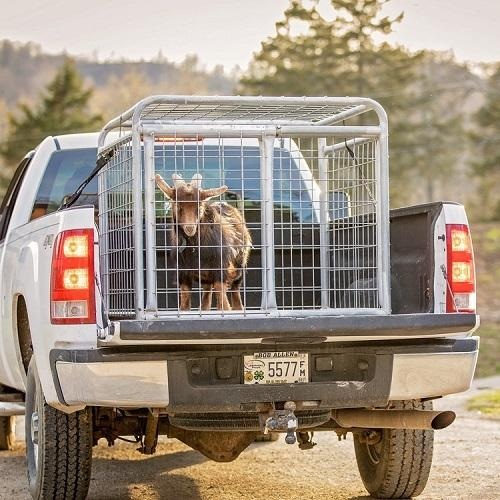
Moving animals across Canada is something most buyers end up doing themselves. Whether you’re picking up a few chickens, hauling cattle, or transporting horses, the reality is simple: people usually use what they already have — a stock trailer, utility trailer, pickup, or another practical setup.
That’s fine — but it comes with responsibility.
At the end of the day, the buyer is responsible for the safety and welfare of the animal, following all transport regulations, and ensuring traceability requirements are met.
This guide breaks down what you need to know in plain terms.
Buyer responsibility comes first
Before anything else, understand this: once the animal is in your care, you are responsible for it.
- proper containment so the animal cannot escape
- ventilation and enough space
- protection from weather
- access to water, especially on longer trips
- minimizing stress and injury
Even for short hauls, poor transport setups can lead to injury, fines, or worse. If you are unsure, do not improvise. Take the time to transport properly.
What people actually use
Most buyers are not running commercial livestock rigs. Common setups include stock trailers, horse trailers, utility trailers with panels, pickup trucks with livestock racks or crates, and small-animal carriers for poultry or rabbits.
These can all work if used correctly.
- animals must be secure and unable to escape
- there should be no sharp edges or transport hazards
- animals need enough room to stand naturally
- they need protection from extreme wind, rain, snow, or heat
- flooring should provide safe footing and reduce slipping
Safe transport basics
Space and comfort
- do not overcrowd
- animals should be able to stand and balance
- avoid mixing unfamiliar animals where possible
Weather protection
- avoid transporting in extreme heat or cold when possible
- provide airflow without creating dangerous wind exposure
Travel time
- plan your route before pickup
- minimize unnecessary stops
- check animals during longer trips
Loading and unloading
- use calm, low-stress handling
- avoid ramps that are too steep
- never rush animals
Federal transport rules in Canada
Transporting animals in Canada is governed federally under the Health of Animals Regulations.
Key requirements include animals being fit for transport, avoiding the transport of injured, sick, or compromised animals except where special rules are followed, observing maximum transport times before rest, feed, and water are required, and using proper loading, unloading, and handling practices.
Even if you are simply a buyer picking up livestock, these rules still apply to you.
Using what you have is common. Using something unsafe is not.
Traceability in Canada
Traceability is a major part of livestock transport and one of the things buyers most often overlook.
Traceability systems help track where animals came from, where they are going, and when they moved. This matters for disease response, food safety, and industry protection.
PigTrace for pigs
If you are transporting pigs in Canada, you need to follow PigTrace requirements. That can include reporting movements, recording origin and destination, and confirming proper identification such as ear tags or tattoos.
Even small-scale or private sales can still require compliance.
Other livestock systems
Depending on the species, you may also encounter cattle identification requirements, sheep traceability systems, or poultry flock tracking expectations. If you are unsure, confirm the requirements before transport rather than after.
Transporting across provinces
Moving animals between provinces adds another layer of responsibility. Depending on the species and situation, you may need proof of origin, health documentation, proper identification tags, and traceability reporting.
Federal rules apply across Canada, but provincial conditions and practical expectations can still affect how you plan the trip.
Province-by-province considerations
British Columbia
British Columbia transport often means varied terrain, longer travel times, and fast-changing weather. Coastal and mountain conditions can make planning more important than buyers expect.
Alberta
Alberta often involves long open-road transport, major temperature swings, and strong wind exposure. Route planning and trailer setup matter.
Saskatchewan
Saskatchewan trips can mean long prairie distances, gravel roads, and fewer convenient stops. Buyers should think through fuel, rest stops, and weather before loading animals.
Manitoba
In Manitoba, road conditions and seasonal weather can shift quickly. Mud, insects in summer, and colder conditions later in the year can all increase animal stress.
Ontario
Ontario transport often includes heavier traffic, more urban-adjacent routes, and a wider range of transport scenarios. Shorter trips can still be stressful if traffic and delays are not considered.
Quebec
Quebec follows the same federal transport framework, but buyers should also be prepared for regional administrative and documentation differences where relevant.
New Brunswick
New Brunswick transport may involve shorter regional trips, but the same transport and animal welfare standards still apply.
Nova Scotia
Nova Scotia buyers should plan around changing coastal weather and practical route timing, especially where delays can add stress to animals.
Prince Edward Island
Prince Edward Island trips are often shorter, but buyers should still consider bridge travel, weather, and total transport time from pickup to destination.
Newfoundland and Labrador
In Newfoundland and Labrador, ferry logistics and route timing can play a bigger role in transport planning than in many other provinces.
Final thoughts
Transporting animals is not complicated, but it does require attention and responsibility. Most buyers will continue to use what they have, what is available, and what works locally. That is fine, as long as it is done properly.
- the animal’s welfare comes first
- regulations still apply to you as the buyer
- traceability is not optional for certain species
If you are unsure, take a few extra minutes to check before you haul. It is better for you, the seller, and most importantly, the animal.