


Most first gardens fail for one reason, and it isn’t the seeds. It’s the soil. People spend their money on plants and their time on planting, and skip the one thing everything else depends on.
Good soil grows good gardens almost on its own. Poor soil turns every other effort into a fight. The good news is that soil is fixable — you don’t need perfect ground to start, you need to understand what you’ve got and improve it steadily.
That’s the whole game. Feed the soil, and the soil feeds the plants. Get that order right and most of your problems get smaller.
Here’s what a new grower actually needs to know.
Know what you’re starting with
Before you buy a single bag of anything, look at the ground you have. You’re trying to answer three simple questions: what’s it made of, how does it drain, and what’s already living in it.
- squeeze a handful of damp soil — does it hold together like clay, fall apart like sand, or crumble in between
- pour water on a patch and watch — does it pool and sit, or drain away fast
- dig down and look — dark and crumbly with worms is good, pale and compacted is work to do
You don’t need a lab. A cheap soil test kit will tell you pH and rough nutrient levels, and that’s enough to start making good decisions instead of guesses.
The three soil types, plainly
Most ground is some mix of these, and each has a fix.
Clay soil
Holds water and nutrients well, but drains slowly and compacts hard.
- the fix is organic matter — compost, aged manure — worked in over time to open it up
- don’t work it when it’s wet; you’ll make the compaction worse
Sandy soil
Drains fast and warms early, but water and nutrients run straight through.
- the fix is also organic matter — it helps sandy soil hold onto moisture and feed
- expect to water and feed more often until it improves
Loam
The one everyone wants — a balance that holds moisture and drains well.
- if you have it, protect it: keep it covered, keep adding organic matter, don’t overwork it
Notice the fix is the same for the two problem soils: organic matter. That’s not a coincidence.
Compost is the answer more often than not
If there’s one thing worth understanding as a new grower, it’s compost. It improves clay and sand alike, feeds soil life, and slowly builds the dark crumbly ground you’re after.
- you can make it or buy it — both work
- finished compost smells like earth, not like rot
- “aged” or “well-rotted” manure, not fresh — fresh manure can burn plants and carry weed seeds
- work a few inches into the top of your beds, or spread it on top and let the worms do it
You almost can’t add too much compost. It’s the single best thing most new gardens can get.
Don’t feed the plants. Build the soil, and the soil does it for you.
Amendments — what they’re for, without the overwhelm
Walk into a garden centre and the shelf of amendments is bewildering. You don’t need most of it. Here’s what the common ones actually do.
- lime raises pH — for acidic soil, common in wetter coastal regions
- sulphur lowers pH — for alkaline soil
- aged manure adds nutrients and organic matter
- bone meal / blood meal add phosphorus and nitrogen for specific needs
- peat and coir improve texture and moisture holding (coir is the more sustainable choice)
- mulch isn’t a soil amendment exactly, but it holds moisture, blocks weeds, and breaks down into more organic matter
Buy amendments to fix a problem you’ve actually identified — not because the bag looks useful. A soil test plus knowing your soil type tells you which of these you need, if any.
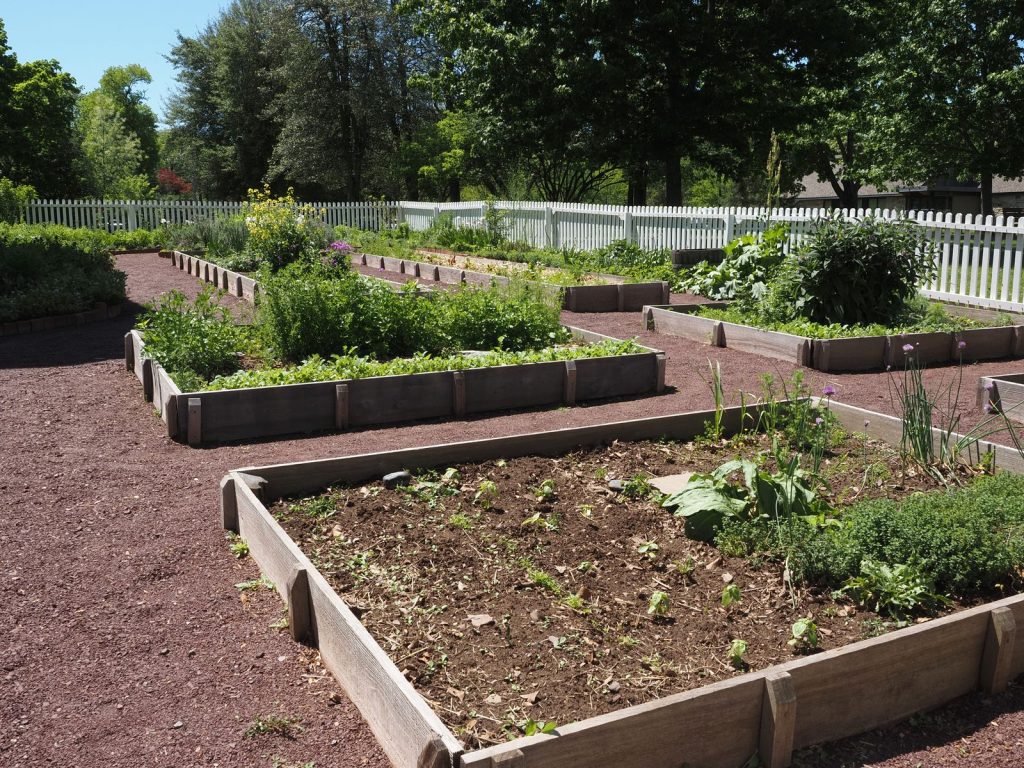
Buying soil and compost by the bag or the yard
For a small bed, bags are fine. For anything larger, buying bulk by the cubic yard is far cheaper — and it’s often a local grower or landscape supplier selling it.
- know roughly how much you need before you buy (length × width × depth)
- ask what’s in it — “garden soil,” “triple mix,” and “topsoil” are not standardized terms
- good bulk compost or mix should smell earthy and look dark and uniform
- be a little cautious with very cheap “topsoil” of unknown origin — it can carry weed seeds or contaminants
Buying from a local grower or supplier you can ask questions of beats an anonymous bag every time.
Start smaller than you think
The most common new-grower mistake after ignoring soil is planting too much, too soon. A small bed with well-prepared soil will outproduce and outlast a big one you can’t keep up with.
- prepare one bed properly rather than three beds poorly
- you can always expand next season with what you’ve learned
- good soil in a small space beats poor soil in a large one, every time
Final thoughts
You don’t need perfect ground or a shelf of products to grow well. You need to understand your soil and improve it patiently.
- look at what you have before you buy anything
- organic matter and compost fix most problems
- buy amendments to solve identified problems, not just in case
- start small, prepare it well, expand later
Put the effort into the soil first. Everything you plant afterward has an easier life for it.