Buying an animal is exciting. It’s also the moment you take on everything that comes with it — including whatever that animal might be carrying.
Most buyers focus on price, breed, and whether the animal looks healthy standing in a field. That’s a start, but it isn’t enough. A calm, good-looking animal can still bring home illness, parasites, or problems that don’t show up until weeks later.
That’s fine — none of this is complicated. But it does mean slowing down before you hand over money.
At the end of the day, the buyer decides what comes home. Once that animal is on your property, whatever it brought with it is now your problem, and potentially your whole herd’s problem.
This guide breaks down what to check, in plain terms.
Why a quick look isn’t enough
An animal can look perfectly healthy and still be carrying something. Many of the conditions that matter most — internal parasites, respiratory issues in their early stages, diseases with long incubation periods — don’t announce themselves on inspection day.
That’s not a reason to be paranoid. It’s a reason to ask questions and look closely rather than trusting a glance.
- healthy-looking does not mean tested
- calm does not mean sound
- “never had a problem” is a claim, not a record
The seller who welcomes your questions is usually the seller worth buying from.
What to actually look at
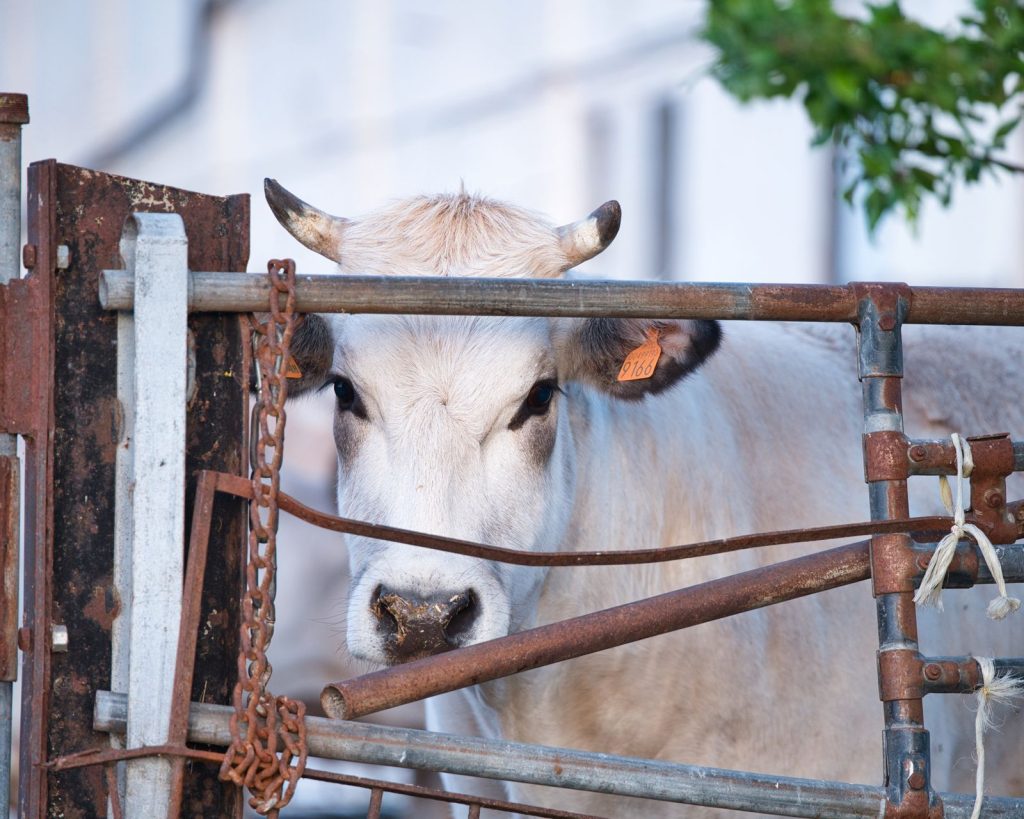
Before you commit, put hands and eyes on the animal. You’re looking for the difference between a thriving animal and one that’s merely upright.
Body and condition
- alert, aware of its surroundings, moving freely
- good body condition — not bony, not bloated
- clean, appropriately full coat or feathering
- no obvious lameness or favouring a leg
Eyes, nose, and breathing
- clear, bright eyes with no discharge
- clean nose, no persistent coughing or laboured breathing
- no repeated head-shaking or ear discomfort
Skin, feet, and rear
- skin free of sores, scabs, bald patches, or heavy external parasites
- feet and hooves in reasonable shape, no severe overgrowth or rot
- clean rear end — persistent scouring is a warning sign
Any single item isn’t a dealbreaker on its own. A pattern of them is.
Ask about history before you ask about price
The animal’s paperwork and history tell you more than a physical check ever will. A good seller keeps records. Ask for them.
- vaccination history — what, when, and for what
- deworming and parasite treatment records
- age, and whether it’s been bred or is currently pregnant
- any past illness, injury, or treatment
- whether the animal has left the property and come back
If a seller can’t answer basic history questions, that isn’t automatically dishonest — plenty of small operations keep loose records. But it does mean you’re buying blind, and you should price and plan accordingly.
A healthy animal from a careful seller is worth more than a cheap one with no history.
Biosecurity is your job now
Biosecurity is a big word for a simple idea: don’t let one animal’s problem become every animal’s problem. This is the part buyers most often skip, and it’s the part that protects everything you already own.
If you have animals at home, a new arrival is the single most common way disease walks onto a property.
Quarantine new arrivals
- keep new animals separate from your existing ones for a period after arrival
- separate feed and water, and ideally separate handling
- watch for anything that develops in the days and weeks after arrival
- handle your existing, healthy animals before handling the newcomer, not after
A quarantine period isn’t punishment for the new animal. It’s the window where problems show themselves before they spread.
Basic on-farm hygiene
- clean and disinfect shared equipment, trailers, and boots
- don’t move tools between sick and healthy animals without cleaning
- keep good enough records that you’d know when and where a problem started
Traceability and identification
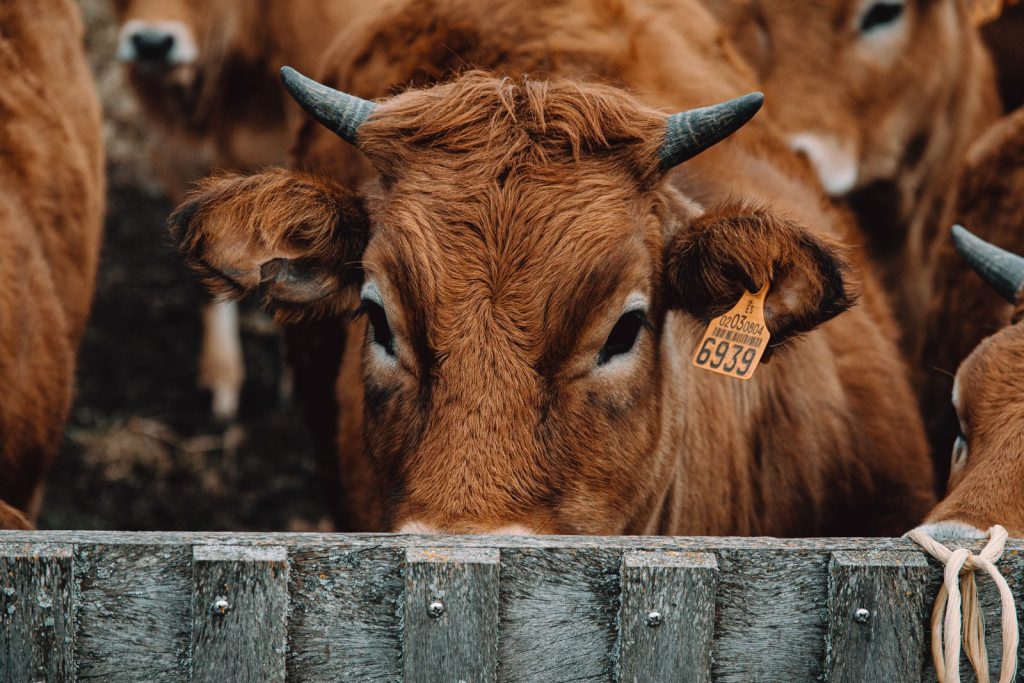
Livestock in Canada moves within a traceability framework, and buying an animal often means becoming part of that record. Depending on the species, that can involve identification tags, recording the movement of the animal, and knowing its origin.
This matters for the same reason biosecurity does: when something goes wrong somewhere in the country, traceability is how it gets contained. Buying an animal with proper identification, and keeping your own records of what came from where, protects you and everyone downstream.
- confirm the animal has the identification its species requires
- keep a record of who you bought from and when
- if you’re unsure what applies, confirm before the sale, not after
A note on where you’re buying from
Where and how you buy shapes how much you can know.
Private sale from a farm
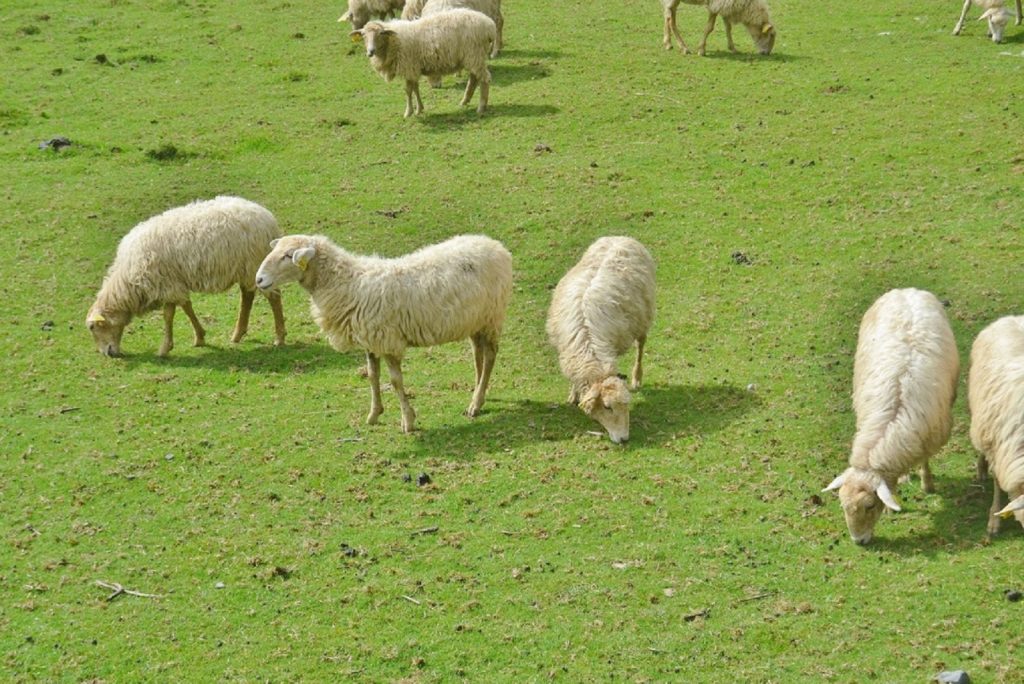
You can see the animal in its home conditions, meet the other animals, and judge how the operation is run. This is usually where you learn the most — take advantage of it.
Auction or sale barn
Faster and often cheaper, but you know far less. Animals are mixed, stress is high, and history is thin. If you buy this way, lean harder on quarantine and expect the unknowns.
Buying at a distance
If you can’t see the animal in person, ask for photos, video, and records, and be honest with yourself about what you can’t verify.
Final thoughts
Buying livestock well isn’t about distrust. It’s about knowing what you’re taking on before it’s on your property.
- look closely — healthy-looking is not the same as healthy
- ask for history, and value the seller who has it
- quarantine every new arrival, every time
- traceability and identification are part of the deal now
Take the extra time before you buy. It’s cheaper than dealing with what a rushed purchase can bring home — for you, your existing animals, and the new one.